By business type
Inventory for a liquor store
High rotation, expensive stock, and the same reference sold by the bottle and by the case. Here inventory isn't filing — it's cash control.
A liquor store has an awkward combination: the stock is worth money, it moves fast, and it sells in different formats. A single bottle, a six-pack, the full case. If the system only counts "units", the number doesn't mean the same thing in the morning as it does at night.
And with valuable stock, a three-unit discrepancy isn't an accounting detail — it's a whole day's margin.
Formats of the same reference
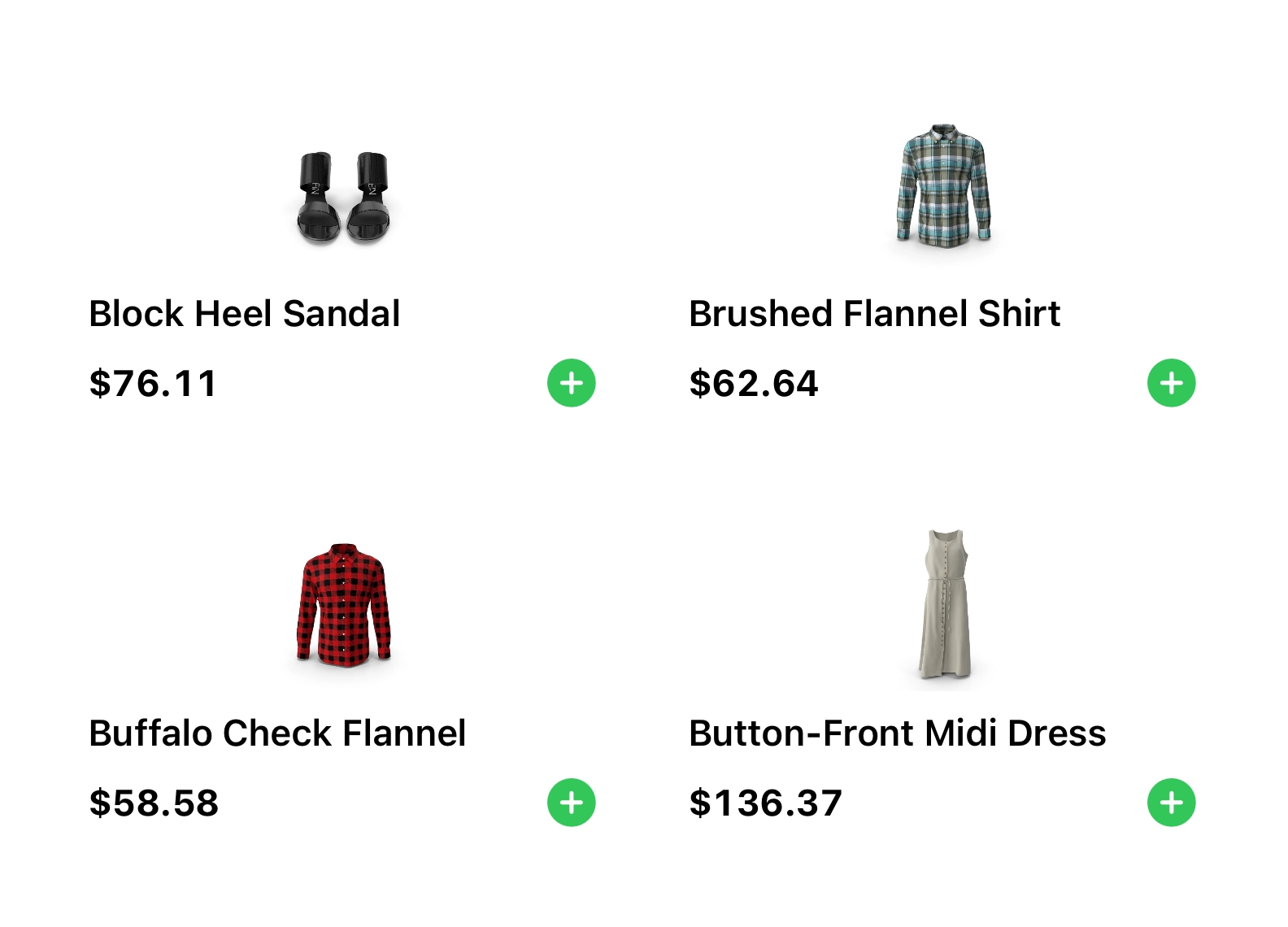
The same brand sells by the bottle and by the case, at prices that aren't proportional. In Inventury those are variants of one item, each with its own stock and price, so counting and selling are talking about the same thing.
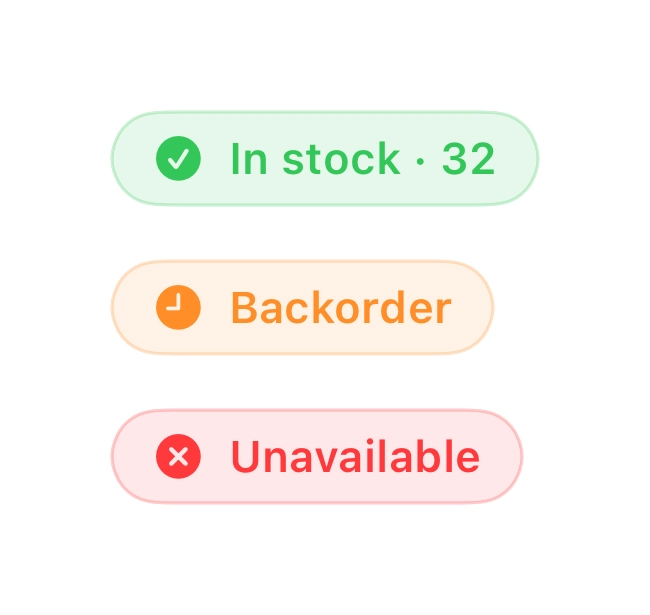
Open the reference and you see which format is running out — which is what actually decides the order to the distributor.
- Variants by format and volume
- Its own price per format
- A barcode per variant, so nobody rings up the wrong one
Fast counting, because it has to happen often
With high rotation, counting once a month is no use: by the time the discrepancy shows up it can't be reconstructed. What works is counting little and often, by shelf or by brand — and for that, counting has to be fast.
With the scanner you point the camera at the code and confirm the quantity. A shelf takes minutes, not an afternoon.
Expensive stock: shrinkage shows up straight away
When every sale deducts stock as it happens, today's inventory is comparable with today's count. The gap appears the same day, not at month end, while you can still ask what happened.
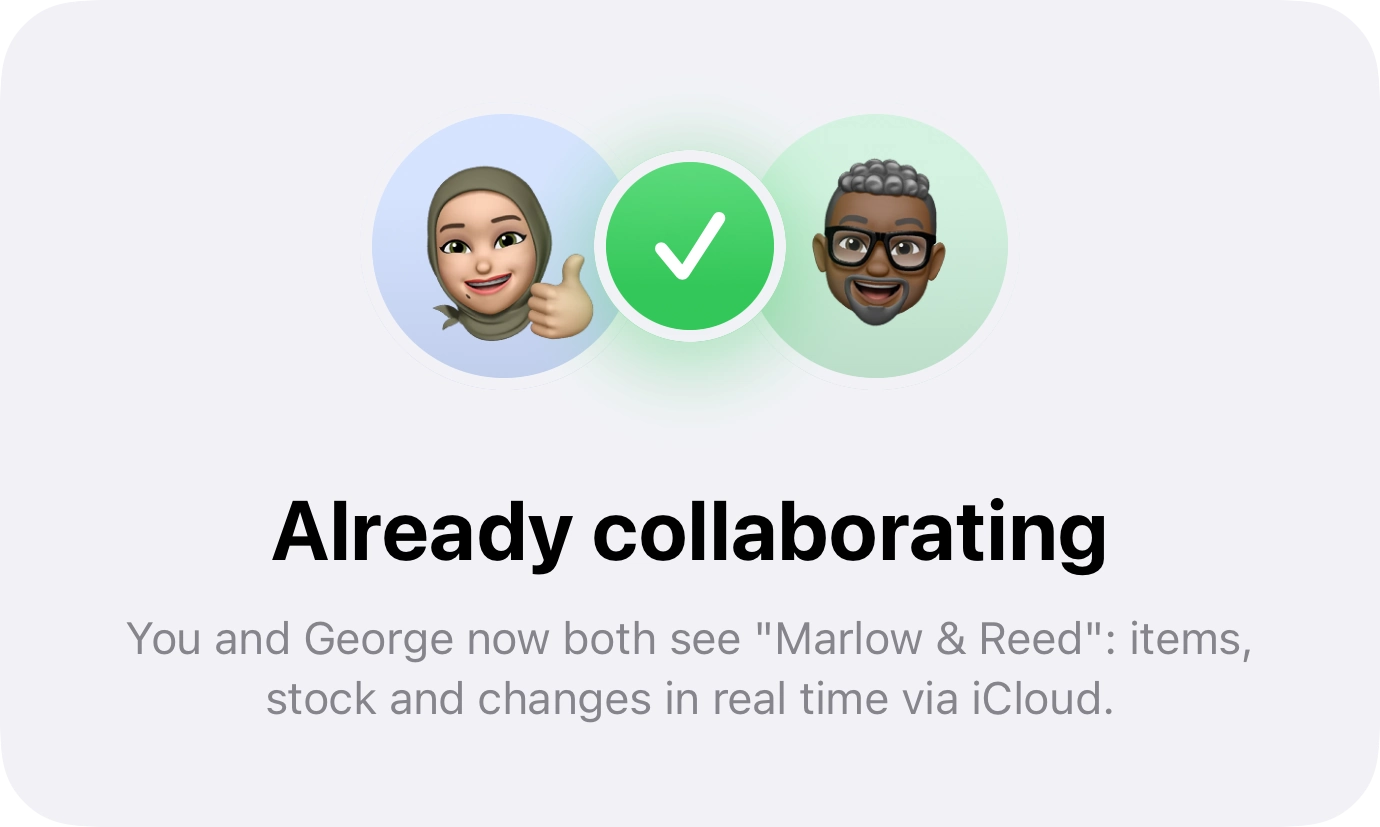
If someone works the counter with you, each person signs in with their own Apple ID and movements belong to the shared store's session.
Real margin, with tax and fees inside it
In spirits the margin per unit is thin and depends on what you paid, not on the distributor's list price. Inventury's costing spreads cost per unit — including import costs if you bring brands in yourself — and shows the margin that's actually there.
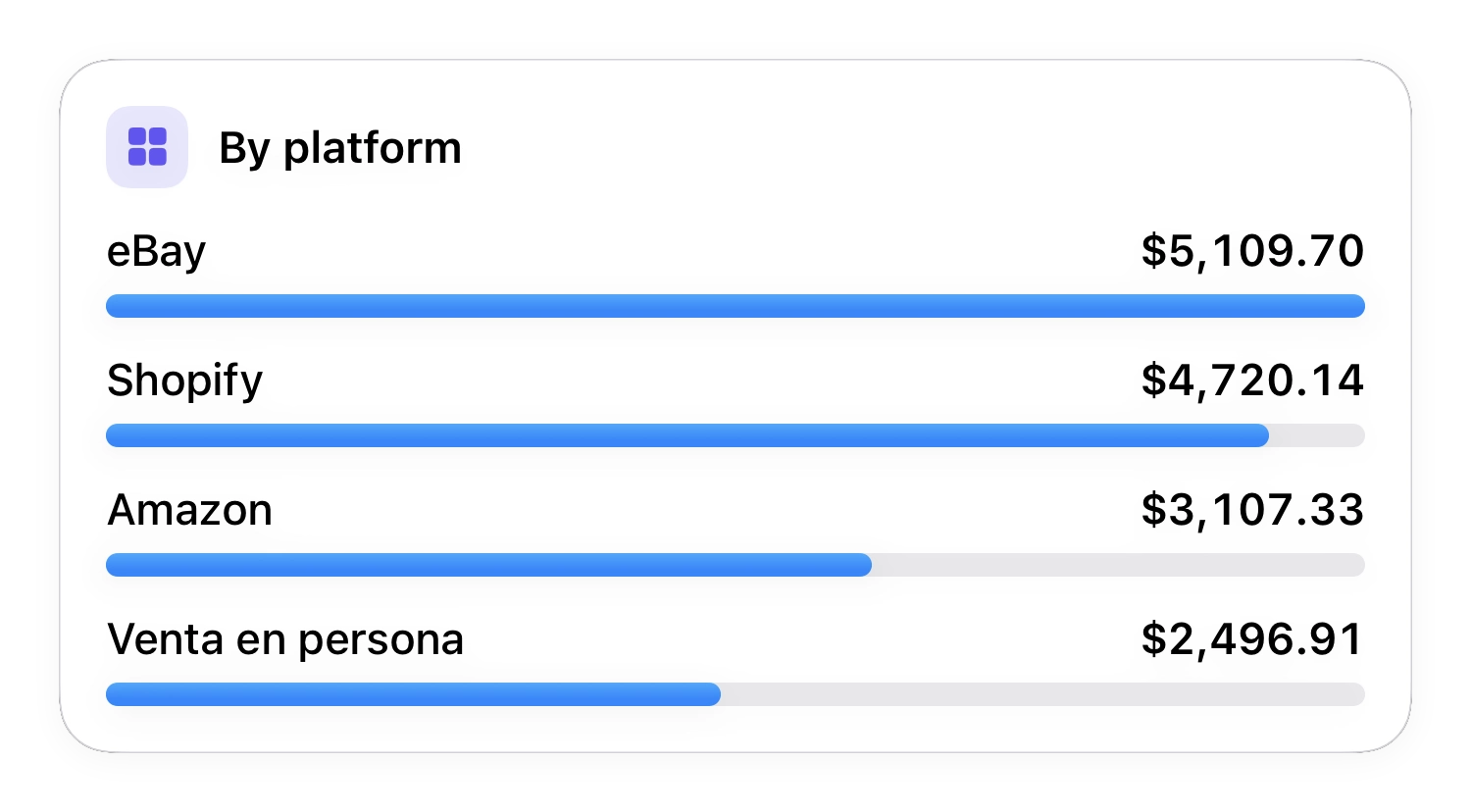
And if you deliver through a platform that charges a fee, the per-channel calculation shows which references survive that percentage and which are being sold at a loss.
Frequent questions
Can I sell the same reference by the unit and by the case?
Yes, as variants of one item, each with its own stock and price. What the app doesn't do is automatically convert one case into twelve units: that gets reflected when counting or with a transfer.
Does it track expiry dates or batches?
Yes. The app handles batches with their expiry date, so two intakes of the same reference bought on different dates don't collapse into one number. For spirits it isn't always needed, but it matters for whatever does expire and for knowing what came in first.
Can I see who recorded each sale?
Sales are recorded in the shared store, which each collaborator enters with their own Apple ID. Pro includes 2 collaborators and Business up to 10.
Does it work with two shops?
Yes. Business allows unlimited stores and locations, each with its own inventory and settings, and you can read the reports per location.
Count one shelf and compare it with your system today
It's on the App Store. Start with the references that move most — they're the ones costing you the most money.